Visualizing Sql Pattern Matching Match Recognize A Beginner S Guide Information Center
Get comprehensive updates, key reports, and detailed insights compiled from verified editorial sources.
Video Highlights & Reports
Below is a handpicked selection of video coverage regarding Visualizing Sql Pattern Matching Match Recognize A Beginner S Guide.

Visualizing SQL Pattern Matching (MATCH_RECOGNIZE) - A Beginner's Guide
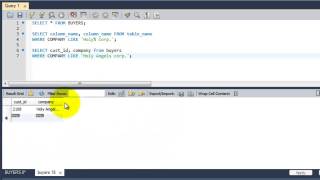
SQL Complete Tutorial - LIKE condition for pattern matching values - Chapter 18

Learn Basic SQL in 15 Minutes | Business Intelligence For Beginners | SQL Tutorial For Beginners 1/3
Developments
Stay updated on Visualizing Sql Pattern Matching Match Recognize A Beginner S Guide's latest milestones.

Conclusion

For 2026, Visualizing Sql Pattern Matching Match Recognize A Beginner S Guide remains one of the most searched-for profiles.
Detailed Analysis
Data is compiled from public records and verified media reports.
Last Updated: June 13, 2026
Main Features

Explore the main sources for Visualizing Sql Pattern Matching Match Recognize A Beginner S Guide.
Background of Visualizing Sql Pattern Matching Match Recognize A Beginner S Guide

We are hosting a new series of live webinars: Qualogy's Tech Series. Keith Laker was our fourth speaker with his presentation ... In this video, I have explained about the LIKE condition for Statement note that the percentage is our Wild Card character to MySQL 00:00:00 intro 00:01:46 INNER JOIN 00:03:48 LEFT JOIN 00:04:20 RIGHT JOIN 00:04:45 conclusion ... Oracle Product Manager, Keith Laker, demonstrates how to work with Join Keith Laker, Senior Principal Product Manager as he talks about
JoelKallmanDay 2022 A new clause – MATCH_RECOGNIZE – was added to the SELECT statement in Oracle 12c, to allow ... Get a Free System Design PDF with 158 pages by subscribing to our weekly newsletter: The purpose of this entertaining and educating session is to explain the MATCH_RECOGNIZE feature from the basics, ... Topics ----------- 1) Where (Filtering records based on conditions) 2) DISTINCT ( Displays unique records from a table) 3) and, ...
Disclaimer:


