Programming Paradigms Session 4 Typed Functional Programming Session 2 Information Center
Get comprehensive updates, key reports, and detailed insights compiled from verified editorial sources.
Latest News
Stay updated on Programming Paradigms Session 4 Typed Functional Programming Session 2's newest achievements.

Expert Insights
Data is compiled from public records and verified media reports.
Last Updated: June 16, 2026
Overview on Programming Paradigms Session 4 Typed Functional Programming Session 2

The W algorithm; the results about it. Further perspectives. Lazy evaluation, list comprehension and finite – and infinite (!) lists. javaworld In this video we are going to learn following topics in detail. What is a ...
Summary
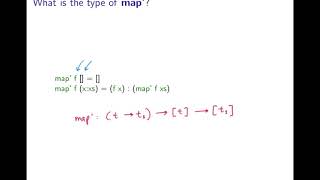
For 2026, Programming Paradigms Session 4 Typed Functional Programming Session 2 remains one of the most searched-for profiles.
Video Highlights & Reports
Below is a handpicked selection of video coverage regarding Programming Paradigms Session 4 Typed Functional Programming Session 2.
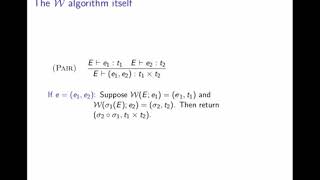
Programming Paradigms, Session 4 (Typed functional programming), session 2
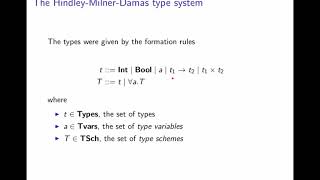
Programming Paradigms, Session 4 (Typed functional programming), session 1
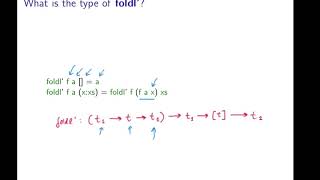
Programming Paradigms - Session 2 (Typed functional programming), section 2
Programming Paradigms – Session 2 (Typed functional programming) – section 1
Main Features

Explore the primary sources for Programming Paradigms Session 4 Typed Functional Programming Session 2.
Disclaimer:


